- dev.png)

Maria Olaguera and Michele Beacom - 29 October 2026
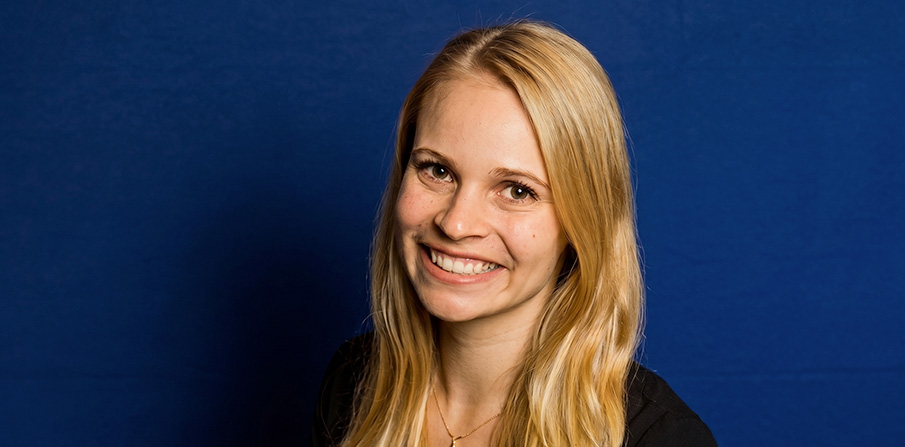
Meet Courtney Gendron
Courtney Gendron has been described as one of the most significant industrial hygiene contributors to the national and global mining community. With eight years of experience as an environment, health and safety manager, currently at WSP’s mining and metals division, Gendron has used her expertise to make recommendations for occupational exposure limits (OELs) for rare earth elements for miners. Her recommendations have become a reliable resource for the American Conference of Governmental Industrial Hygienists, the American Industrial Hygiene Association and the International Occupational Hygiene Association. As well, she has been a strong voice for women’s reproductive health in the mining industry. She has also become established as an authority in radiation protection in the mining sector.
CIM spoke with Gendron about her commitment to identify, evaluate and control workplace hazards in mining and her recognition as a young mining leader.
CIM: What innovation or shift in occupational hygiene have you seen that is advancing workplace safety?
Gendron: One of the most exciting innovations is the growing focus on integrating health controls right at the planning stage of new projects. Rather than retrofitting existing mines—which is costly and rarely energizes stakeholders—the industry is increasingly eager to estimate potential risks to workers’ long-term health and proactively integrate this knowledge into mine design, including ventilation systems, before construction even begins. This early-stage engagement signals a shift towards prioritizing worker health from the outset, offering the greatest long-term benefit and enthusiasm for advancements in workers’ health.
CIM: How does your work here in Canada in occupational hygiene—specifically your focus on reproductive health and birth outcomes for women in mining—fit into the global mining context?
Gendron: Mining is recognized as a high-risk sector for chronic health problems, and Canadian advocacy propels ongoing efforts to address unfair working conditions and occupational diseases.
One tangible outcome is the creation of resources such as the “Guide to Healthy Pregnancies in the Mining Workplace”—a resource developed by Canadian experts and institutions—which my team relies on to assess reproductive risks for women. Such tools are critical for providing equal opportunity and proactive care for women in male-dominated workspaces.
The mining industry has a responsibility to provide leadership by helping to fund research to develop OELs and guidelines for pregnant and breastfeeding women, and integrating these into workplace policies, which can demonstrate a commitment not only to Canadian workers but also sets a precedent for global standards. By fostering awareness and implementing consistent, inclusive policies, mining could become a model for global responsibility, showing how industry can support health, equity and the advancement of women worldwide.
CIM: You act as a mentor to young women and men in your field. What important lessons do you try to impart?
Gendron: Early in your career, it’s easy to get flustered by minor mistakes—whether it’s imperfect notes, missing an observation or not collecting the exact number of samples you were supposed to. I encourage my mentees to stay relaxed and focus on the bigger picture: what is the goal of our work, and how can we make a positive impact, especially when we’re on a mining site? Keeping your eyes on the end goal—protecting and advocating for worker health and well-being—is key.
I also challenge staff to look for ways to improve our team’s practices, welcoming the fresh ideas and innovations they bring from school or previous experience. For example, integrating automation and big data has allowed us to automatically generate personal exposure letters for workers, empowering them with knowledge about their health risks and encouraging greater engagement with our testing. These creative solutions not only boost confidence in junior staff but also reinforce how everyday tasks contribute to our ultimate mission: improving worker health and well-being on site.
CIM: What is the legacy you want to leave for future mine workers?
Gendron: My vision is for a culture where chronic occupational diseases—like those caused by radiation—are no longer overlooked simply because their effects aren’t immediately visible. Too often, the dramatic nature of acute workplace accidents overshadows the silent, long-term toll of occupational disease, even though these diseases account for the vast majority of work-related deaths worldwide.
I want my contributions to shift this paradigm by embedding robust occupational hygiene practices and education into every level of mining operations. This means ensuring that management systems, critical controls and key performance indicators specifically address occupational health risks, and that all staff are equipped to recognize and act on these hazards. By raising awareness about the long-term impacts of chronic disease and emphasizing the importance of thinking ahead, I hope future generations of miners will work in environments where their long-term health is protected as diligently as their immediate safety.
I would like to see mining leaders adopt long-term thinking, drawing inspiration from Indigenous ways of knowing, particularly the Seven Generations mindset. This approach encourages us to consider how today’s decisions will impact not just current workers, but also future generations, communities and ecosystems. By shifting the focus from reactive accident prevention to protecting lifetime health, we can break down barriers that have historically prevented the prioritization of broader worker and community well-being. It’s about taking responsibility for future illnesses, environmental contamination and downstream health impacts, ensuring that the industry becomes a leader in sustainable, holistic health governance for all.