- dev.png)

06 February 2026
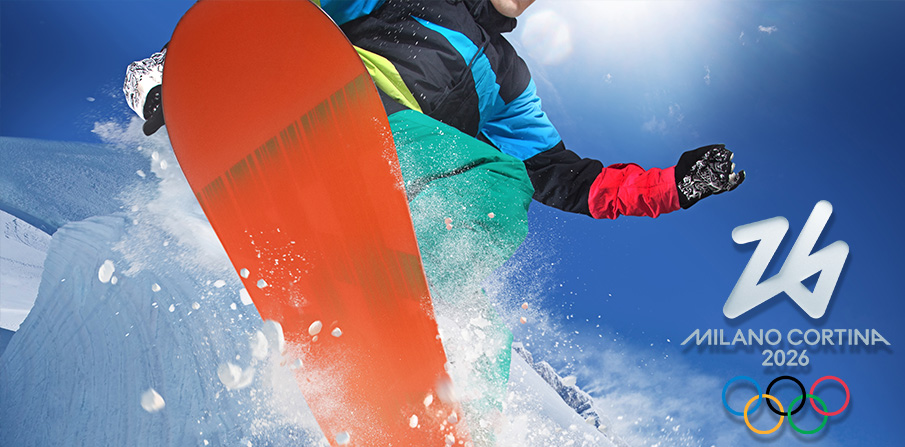
Above: High-performance on the slopes starts deep underground. Modern snowboards rely on a sophisticated blend of minerals and metals—including aluminum for lightweight strength, titanium alloys for vibration dampening, and carbon fibre (derived from graphite) for the perfect snap and flex.
Examining the essential role of the mineral value chain in global sport and technology
When the world gathers to watch athletes compete at the Olympics, we marvel at human strength, speed and precision. But behind every record-breaking performance is something that often goes unnoticed: the minerals that support elite sport.
Nearly every aspect of the modern Olympic Games relies on mineral inputs, from equipment and infrastructure to safety and measurement systems. Exploring this connection offers a useful lens on the role minerals play in modern society.
From podiums to performance
The gold, silver and bronze medals at the podium are the most visible evidence of minerals at the Olympics. But aluminum, titanium, carbon fibre and boron are as vital. Those elements are used to create skis and snowboards with the correct strength-to-weight ratios that athletes demand. Curling stones are crafted from granite. Hockey sticks typically use graphite, but can also employ coatings of nickel cobalt.
Even the venues themselves, from steel-framed stadiums and concrete foundations to glass, lighting and digital timing systems, are mineral-intensive. These materials shape how modern elite sport is built and measured.
Beyond the Games
The same minerals used in sporting applications also underpin technologies across many other sectors:
- Clean energy technologies and electrification
- Advanced manufacturing and automation
- Aerospace and digital infrastructure
- Medical devices and emerging technologies
As global demand accelerates, competition for secure and responsibly produced minerals supplies is intensifying. Canada’s geological resources, technical expertise and regulatory frameworks shape how these materials are developed and applied domestically and in other jurisdictions.
Connecting expertise across the mineral value chain
Professionals working across the mineral value chain understand the technical demands of their fields. What can be less apparent, particularly to those outside the sector, is how shared standards, data frameworks, and professional practice intersect to support consistent and informed practice. As CIM member Jason Belanger of Cameco Corporation noted, bringing practitioners together to openly discuss challenges and approaches allows ideas to move beyond the room and into everyday practice.
Sustaining that kind of shared understanding depends on creating spaces where technical experience can be exchanged, tested, and carried back into practice.
For CIM, conversations like this help advance understanding of how minerals underpin modern life, the professional expertise required to develop them responsibly, and how shared knowledge connects mining to society.
AI Use Disclosure
Artificial intelligence tools were used to support background research for this article, including identifying examples of how minerals are used in Olympic sports and infrastructure. The content, analysis, and conclusions were developed, written and validated by CIM staff.